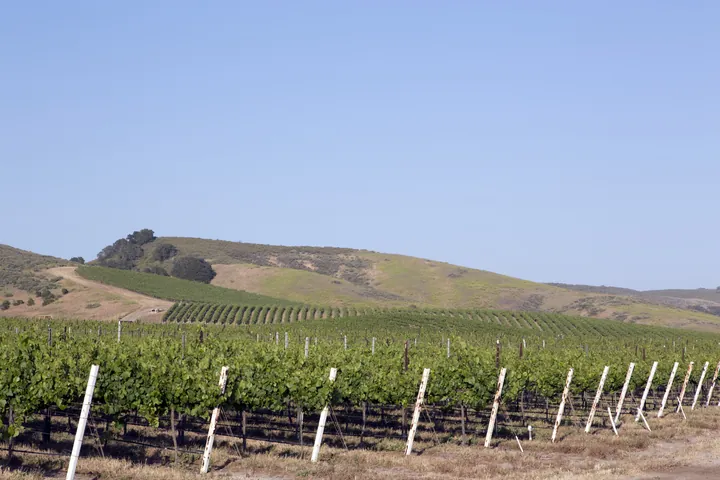
In a normal year, the City says more than half of its drinking water comes from seven relatively shallow wells along the Salinas River. Lake Nacimiento and basin groundwater make up the rest. A house one road over, in the county, may have none of that system behind it — only its own well.
City water: the river, the lake and the basin
The City of Paso Robles Water Division describes its supply this way: in a normal year, more than 50 percent of city water comes from seven relatively shallow wells along the Salinas River corridor. That supply is supplemented by surface water from the Nacimiento Water Project and by groundwater from the Paso Robles Groundwater Basin. The City is a participant in the Lake Nacimiento project and has secured a 6,488 acre-foot-per-year entitlement. Connection fees and water rates funded a surface-water treatment plant; the City says using Nacimiento water allows it to reduce dependence on the basin and to provide a more reliable long-term supply.
Drinking-water quality is reported each year. The City posts its Water Quality Report and says samples from around the system are tested by an independent laboratory, including weekly tests for coliform bacteria, under state and federal drinking-water rules. The 2025 Urban Water Management Plan documents supplies, demand, a water-shortage contingency plan and conservation measures. If you are buying a house on City water, ask whether service is already connected, what the current rates and any watering rules are, and whether the property is on City sewer or a septic system.
Wells in the Paso Robles Groundwater Basin
Much of the land around town — vineyards, ranches and many homes with a Paso Robles mailing address — is not on the City system at all. Those properties typically have a private well, a storage tank and a septic system, and they draw from the Paso Robles Area Subbasin. The basin has been the subject of long-running groundwater management under California's Sustainable Groundwater Management Act (SGMA). The practical point for a buyer is that a well that works today still needs a current pump and water-quality test, a clear sense of depth and yield, and an honest look at how the surrounding area has been pumping.
New or replacement wells, and many changes to existing wells, go through San Luis Obispo County, not the City. If a listing says “well and septic,” budget time and money for inspections, and do not skip the well. Yield, recovery, bacteria, minerals and the condition of the pump and tank all matter, especially if you hope to add landscaping, a second unit or a small vineyard.

What to ask on a specific property
City or well? Confirm it in writing. A close-in house can still be on a well, and a rural-looking parcel is sometimes inside a service area you would not expect.
Sewer or septic? City sewer and a private septic system are different maintenance and inspection problems. Have a septic tank and leach field inspected if that is what the property uses.
For wells. Ask for recent well logs or tests, the pump's age, storage, and any history of shortage or water-quality treatment. If the property is a vineyard or you want to plant, ask what the well has actually supported, not what a brochure hopes it can support. See Rural Land & Ag.
Please verify. Water rates, watering rules, basin management and well-permit requirements change. Confirm current conditions with the City or the County and with licensed inspectors.
Get Paso Robles listing alertsAsk about a specific well or parcel